
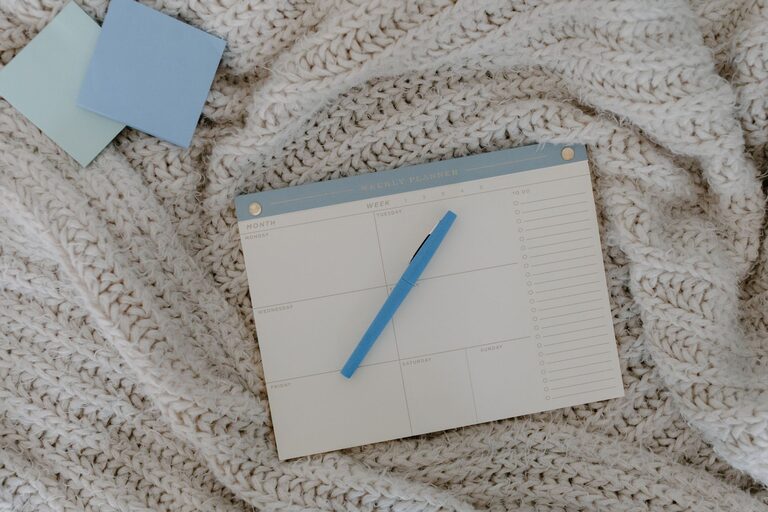
Taking time to relax and recharge over the weekend is essential for maintaining a healthy balance between work and personal life. However, sometimes weekends can feel just as hectic as weekdays, filled with errands, obligations, and last-minute plans. The good news is that with a little preparation, you can create a no-stress weekend that truly lets you unwind.
In this guide, we’ll walk you through practical ways to plan a weekend focused on relaxation and enjoyment.
Why Plan a No-Stress Weekend?
Weekends are meant to be a break from the hustle and bustle of daily responsibilities. When you intentionally plan for a stress-free weekend, you:
– Give your mind and body a chance to rest
– Improve your mood and energy for the week ahead
– Enhance your overall well-being and reduce burnout
– Create space for activities you genuinely enjoy
The key to a no-stress weekend is balancing productivity with relaxation, so let’s explore how to achieve that balance.
Step 1: Set Realistic Expectations
One of the biggest causes of weekend stress is overcommitting. Before your weekend begins:
– Review your calendar and note any fixed plans or responsibilities.
– Decide what activities are absolutely necessary (like grocery shopping or chores).
– Leave plenty of open time for rest and spontaneous enjoyment.
Remember, it’s okay to say no or postpone certain tasks if they don’t serve your weekend well-being.
Step 2: Prepare in Advance
A little preparation during the week can save you from weekend headaches:
– Complete important errands on Friday or earlier.
– Meal prep simple dishes or ingredients so you aren’t cooking from scratch every meal.
– Set out comfortable clothes and plan cozy spaces for relaxation.
– Organize any supplies you’ll need for hobbies or other activities.
By reducing weekend chores, you create more freedom and less pressure.
Step 3: Create a Loose Itinerary
Instead of scheduling every minute, make a flexible plan that includes:
– Time for sleep-ins or naps
– Blocks for hobbies, reading, outdoor activities, or socializing
– Moments dedicated to self-care like baths, meditation, or walks
– Buffer time to simply do nothing or decide in the moment
A loose itinerary offers structure without rigidity, so you feel guided but free.
Step 4: Unplug and Limit Screen Time
Our devices can often add stress rather than relieve it. To enjoy a peaceful weekend:
– Set specific times to check emails and social media.
– Try a digital detox for part of the day or an entire weekend.
– Use the extra time to connect with nature, people, or your thoughts.
Reducing screen time can help you feel more present and calm.
Step 5: Prioritize Physical Activity and Nature
Movement and fresh air are powerful stress reducers:
– Choose activities you enjoy like walking, biking, yoga, or gardening.
– Spend time in parks, forests, or other natural settings.
– Avoid overly intense workouts if you’re feeling tired; opt for gentle movement instead.
Physical activity boosts endorphins, promoting relaxation and a positive mood.
Step 6: Focus on Nourishing Your Body
Eating well can influence how you feel physically and mentally:
– Prepare meals with wholesome, balanced ingredients.
– Drink plenty of water throughout the day.
– Allow yourself to indulge in a favorite treat without guilt.
A mindful approach to food supports your body’s ability to relax.
Step 7: Connect with Loved Ones
Quality time with friends or family can enrich your weekend:
– Plan low-key social activities like coffee with a friend or a casual dinner.
– Engage in meaningful conversations or shared hobbies.
– Respect your own need for solitude if that helps you recharge.
Balancing social connection and alone time helps reduce stress.
Step 8: Practice Mindfulness and Self-Care
Incorporating moments of mindfulness can reset your stress levels:
– Try meditation, deep breathing exercises, or journaling.
– Enjoy calming rituals like a warm bath, reading, or listening to music.
– Reflect on the positive moments of your weekend and express gratitude.
Self-care reinforces the importance of your own well-being.
Bonus Tips for Success
– Declutter your space before the weekend to create a peaceful environment.
– Use aromatherapy or calming scents like lavender to enhance relaxation.
– Keep a notebook handy to jot down any worries or ideas, so they don’t linger in your mind.
– Remember that a no-stress weekend looks different for everyone—focus on what feels right for you.
Conclusion
Planning a no-stress weekend is about creating space for relaxation, joy, and recharging your energy. By setting realistic expectations, preparing ahead, balancing activities, and practicing self-care, you can transform your weekends into a peaceful retreat that refreshes you physically and mentally.
Start with small changes this weekend and enjoy the benefits of intentional relaxation. Your mind and body will thank you!