Creating a peaceful and inviting atmosphere at home often starts with the colors you choose for your walls and furnishings. Calm colors can transform any space into a soothing retreat from the hustle and bustle of daily life. If you want your home to feel more relaxed and balanced, selecting the right hues is key.
In this post, we’ll share helpful tips for choosing calm colors that promote tranquility and comfort throughout your living spaces.
Why Choose Calm Colors?
Colors have a powerful effect on our emotions and mood. Bright or intense shades can energize and stimulate, while calm colors tend to soothe and relax. When you want your home to feel like a sanctuary, cool and muted tones often work best.
Calm colors are versatile and timeless. They create a neutral backdrop that allows you to add personal touches with decor and accessories without overwhelming the senses.
Popular Calm Color Families
Understanding which colors naturally evoke calmness can help you make informed choices. Here are some popular calm color families:
1. Soft Blues
Blue is often linked with tranquility and calmness. Shades like powder blue, sky blue, or pastel blue can make rooms feel spacious and restful.
2. Gentle Greens
Green reminds us of nature and growth. Soft shades like sage, mint, or seafoam green encourage relaxation and balance.
3. Warm Neutrals
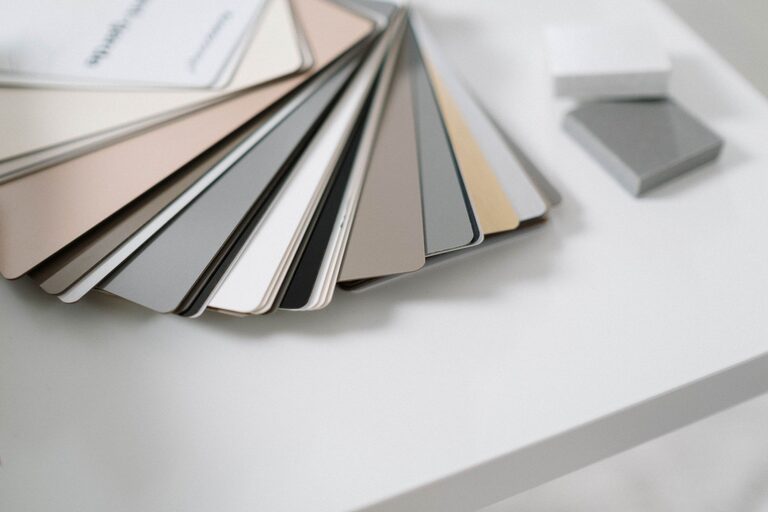
Beiges, taupes, and soft greys create a warm, cozy atmosphere without being overpowering. These tones work well in nearly every room.
4. Muted Lavenders and Pinks
Soft lavender and blush pink tones add a gentle touch of color while maintaining a calm vibe.
Tips for Choosing Calm Colors
To select the best calm colors for your home, consider the following tips:
1. Test Paint Samples in Natural Light
Colors can look different depending on lighting conditions. Paint small patches on your walls and observe them throughout the day to see how natural light affects the shades.
2. Stick to a Limited Palette
Using too many colors can make a space feel busy and distract from the calm effect. Choose two or three complementary colors and use them consistently across the room.
3. Use Color Psychology as a Guide
While personal preference matters most, understanding the emotional impact of colors can help. For example, blue can lower heart rate, and green promotes restful feelings.
4. Pair Calm Colors with Soft Textures
Colors alone don’t create calm. Use soft fabrics like cotton, linen, or velvet in upholstery and curtains to enhance the soothing atmosphere.
5. Consider the Room’s Purpose
Match color choices to the function of the space. Bedrooms and bathrooms benefit from soft blues and greens, while living rooms may welcome warm neutrals.
6. Balance Cool and Warm Tones
To prevent a room from feeling too cold or clinical, balance cool colors like blues and greens with warm accents such as wood furniture or warm metals.
How to Incorporate Calm Colors in Your Home
Here are practical ways to bring calm colors into your living space:
Walls and Ceilings
Start with painting walls in your chosen calm color. For a subtle effect, try painting just one accent wall. White or off-white ceilings help open up the room.
Furniture and Upholstery
Choose sofas, chairs, and rugs in soft, calming shades. Neutral-colored furniture provides flexibility to add seasonal accents.
Accessories and Decor
Add calm-colored throw pillows, blankets, lampshades, or artwork. These elements can be changed easily if you want to refresh the look.
Flooring and Rugs
Light wood flooring or neutral-toned carpets complement calm color schemes beautifully.
Common Mistakes to Avoid
To maintain a calm, welcoming home, watch out for these pitfalls:
– Overusing Dark Colors: Dark shades can feel heavy and reduce natural light.
– Choosing Colors Without Testing: Samples help avoid surprises once the whole room is painted.
– Too Many Bright Accents: Even in small amounts, loud colors can disrupt calmness.
– Ignoring Room Size: Smaller rooms may feel cramped with certain colors; choose lighter tones to open up space.
Final Thoughts
Choosing calm colors for your home is a wonderful way to create a retreat that nurtures your well-being. By understanding how colors affect mood and carefully planning your palette, you can design spaces that invite relaxation every day.
Remember to take your time experimenting with samples and consider the purpose of each room. With thoughtful color choices, your home will become a peaceful haven filled with harmony and comfort.